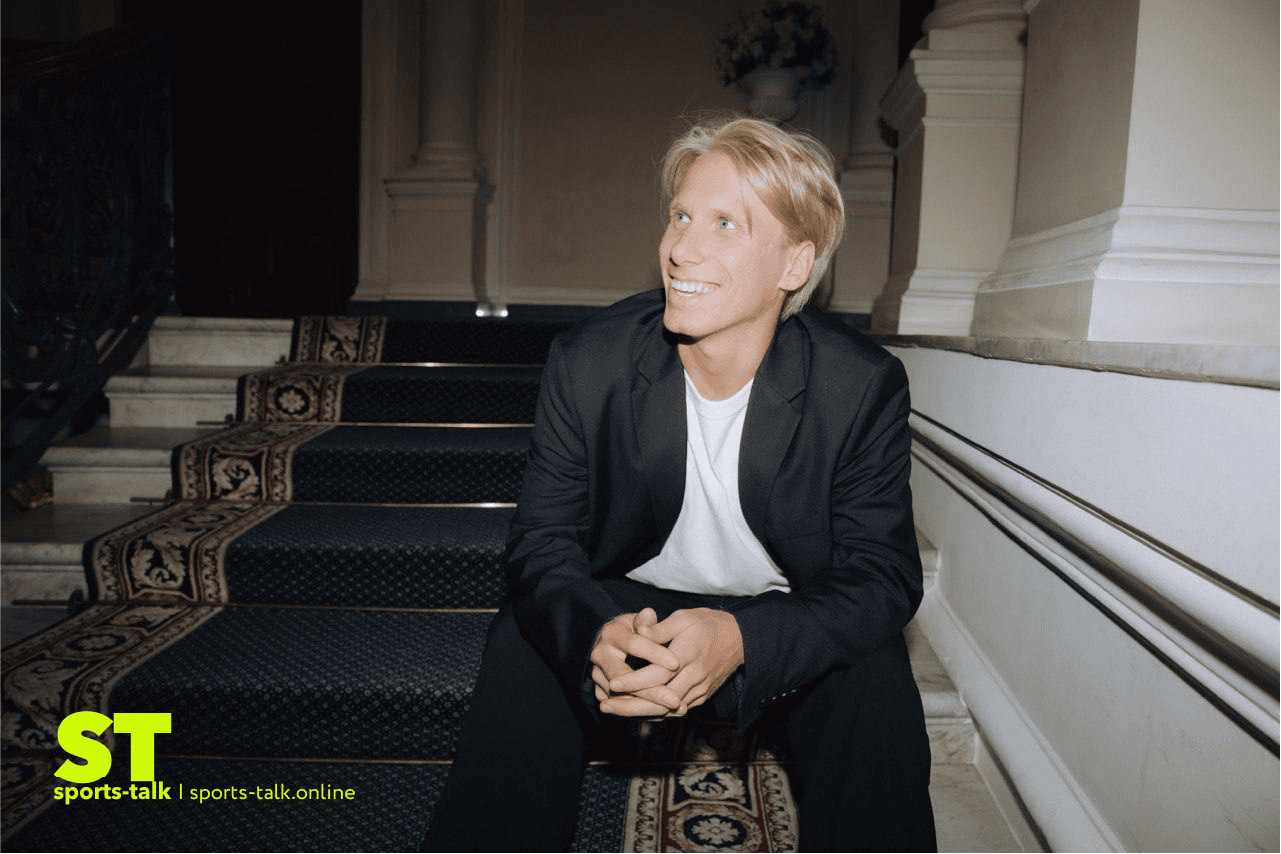
An interview with Maxim Suikov as part of the "Athletes and their experience" project.
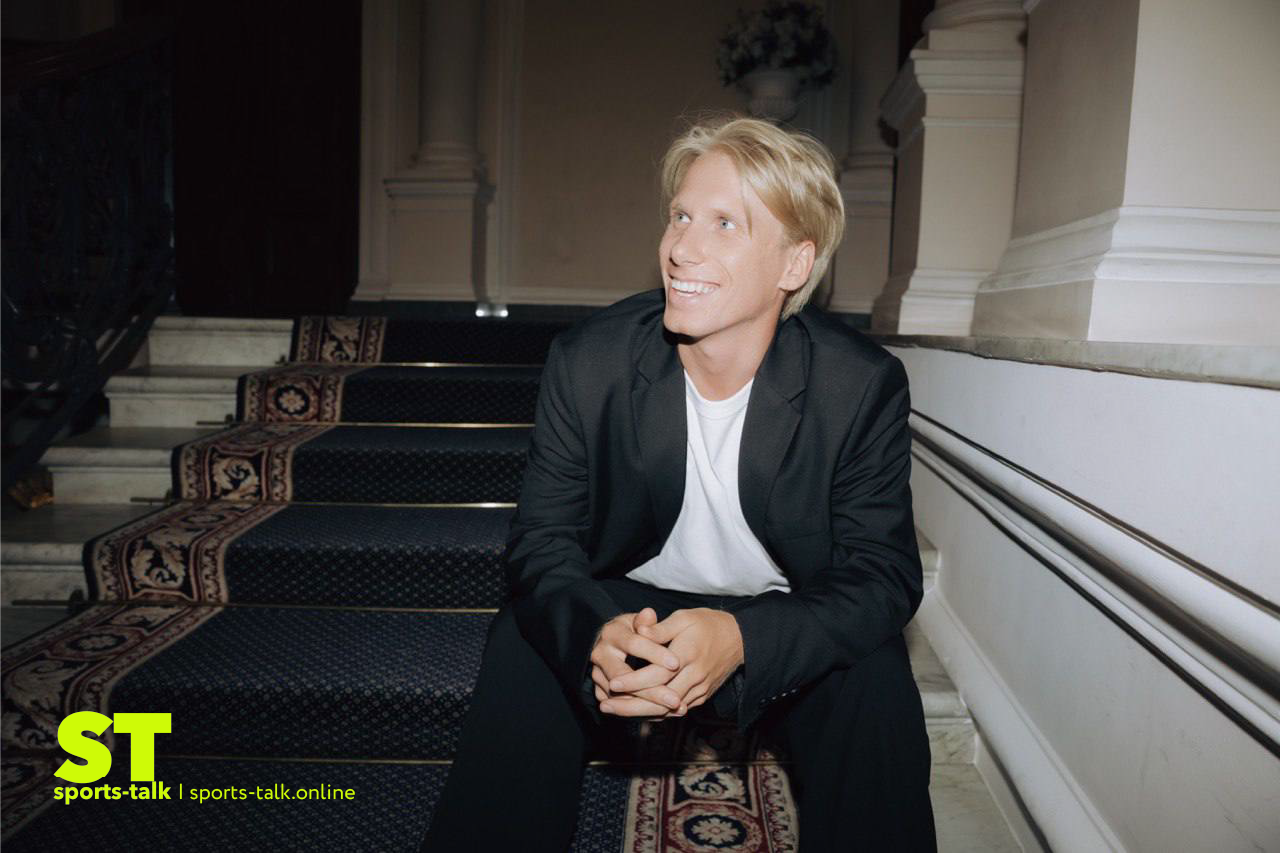
Maxim Suikov
Five-time Russian champion (2020, 2022, 2023, 2024, 2025), European Cup silver medallist 2022.
Favourite trick in snowboarding"The backflip — a fun trick, simple and spectacular!"Music he can't train without"Mostly I ride without music, but sometimes a bit of rap goes down well"A book or film that inspired himCouldn't pick oneA story he'll remember for the rest of his lifeDuring covid it took him three days to get to a competition in Switzerland via St Petersburg, Istanbul and Vienna. He missed the training day and arrived practically at the start.A motto or phrase that helps in difficult moments"It'll all be fine!"
Maxim Suikov first found himself on a slope at six, with his father. One run on alpine skis was enough for him to choose… a snowboard. He stood up on the board confidently right away and has been riding ever since. And not just riding.
Maxim is a member of the Russian national snowboard team (HP, BA, SS), competing in halfpipe (HP), big air (BA) and slopestyle (SS).
"At first I tried to ride on my own — it wasn't going very well, so we decided to get an instructor, and that instructor turned out to be my coach, Pavel Nikolaevich Varnavsky. He had a team of several people, and we all started training together. And we trained together right up until last season".
Maxim can't recall the turning point when he stopped being an amateur and chose elite sport. He simply trained with interest at his own pace. Then came his first competitions, then his first medals.
"I'd been doing it a year, and at 7 I had my first competition. I remember I came fifth, and I cried a lot about it. My first win came at about 10. I remember I won the competition but they didn't give me a medal, and that upset me a lot too. They just gave me a certificate. And I really wanted a medal or a cup".
Maxim's parents took his snowboarding calmly. They weren't especially enthusiastic, but they didn't put obstacles in his way either. Like most professional athletes, Maxim's career has had its highs and lows. Serious injuries have passed him by. He had to miss a month of training with a partially torn ACL, and another month with a small fracture. Psychological difficulties, though, nearly ended his career. In 2017, during the qualifying competitions for the Pyeongchang Olympics, Maxim got so worn down by training that he simply couldn't look at a snowboard.
"I was so sick of snowboarding that by the end of the season I wanted to throw the board away. But then I rested over the summer and came back fine, and carried on training".
Maxim puts that slump down to heavy pressure and a lack of progress in training. He felt he was standing still and nothing new was happening. But after a rest things changed. The team and the coach helped too.
"Of course they supported me. When I was saying, that's it, I don't want to see a snowboard again, I don't want to ride, he'd say: all right then, take a bit of a rest. I don't remember anyone putting pressure on me".
Since then his skill, his speed and his personal numbers have grown every year. That is what keeps his motivation alive to this day. Psychological difficulties are familiar to every athlete from the moment they first compete — it is stress and a period of high tension. Before his first competition Maxim was very nervous. And having ridden the course differently from how he had planned, he was very upset.
"How I coped, I can't say. It came gradually with experience, I got less nervous. But as a child I'd stand at every start and stress enormously".
But Maxim's generation has been "lucky" in a way others were not. Of course he dreamed of Olympic victory, but circumstances turned out differently (Russian skiers and snowboarders were not admitted to the qualifying competitions for the 2026 Olympics following a decision by the International Ski and Snowboard Federation (FIS) — editor's note).
"I've already won everything you can win in Russia, only the world events are left. And we're not allowed into the world events. Of course that's demotivating. The great goal you've had since childhood disappears — going to the Olympics, becoming an Olympic champion. When I filled in my portfolio in year three I wrote: I want to be an Olympic champion. And now the chance to get even slightly closer to that dream has been taken away, and you don't really see the point of carrying on".
Maxim has no doubts about what he will do once his competitive career ends. He already works as a coach, and plans to keep moving in that direction. Looking at young snowboarders from all over Russia, he sees arrogance and even brashness in them. He considers that short-sighted, since the experience of the older generation, and respect for it, do a sporting career nothing but good. The same goes for psychological preparation.
"I'd have liked us to have a psychologist on the team when we were training hard. We discussed it many times, why there's no psychologist in the Russian national team. I'd gladly have one for myself and for my own students; if there were a psychologist on the team it would be excellent".
There is no need even to work out which athletes can cope on their own and which need psychological support. Everyone needs it, Maxim believes, and he hopes that one day snowboarders will have a sport psychologist on the team, the way it works in football clubs. Work with a psychologist, breathing techniques, meditation practices and rituals all help you get into the right frame of mind.
"I usually pick some lucky snowboard socks for the season and carry them around with me".
The only advice Maxim would give his younger self, from where he stands today, is to train more. It is exactly the advice he gives his own students. And also: don't neglect your studies, because after a sporting career an athlete may well need another profession.
Watch out for more interviews with Russian athletes worth being inspired by.
We wish him luck and belief in himself!