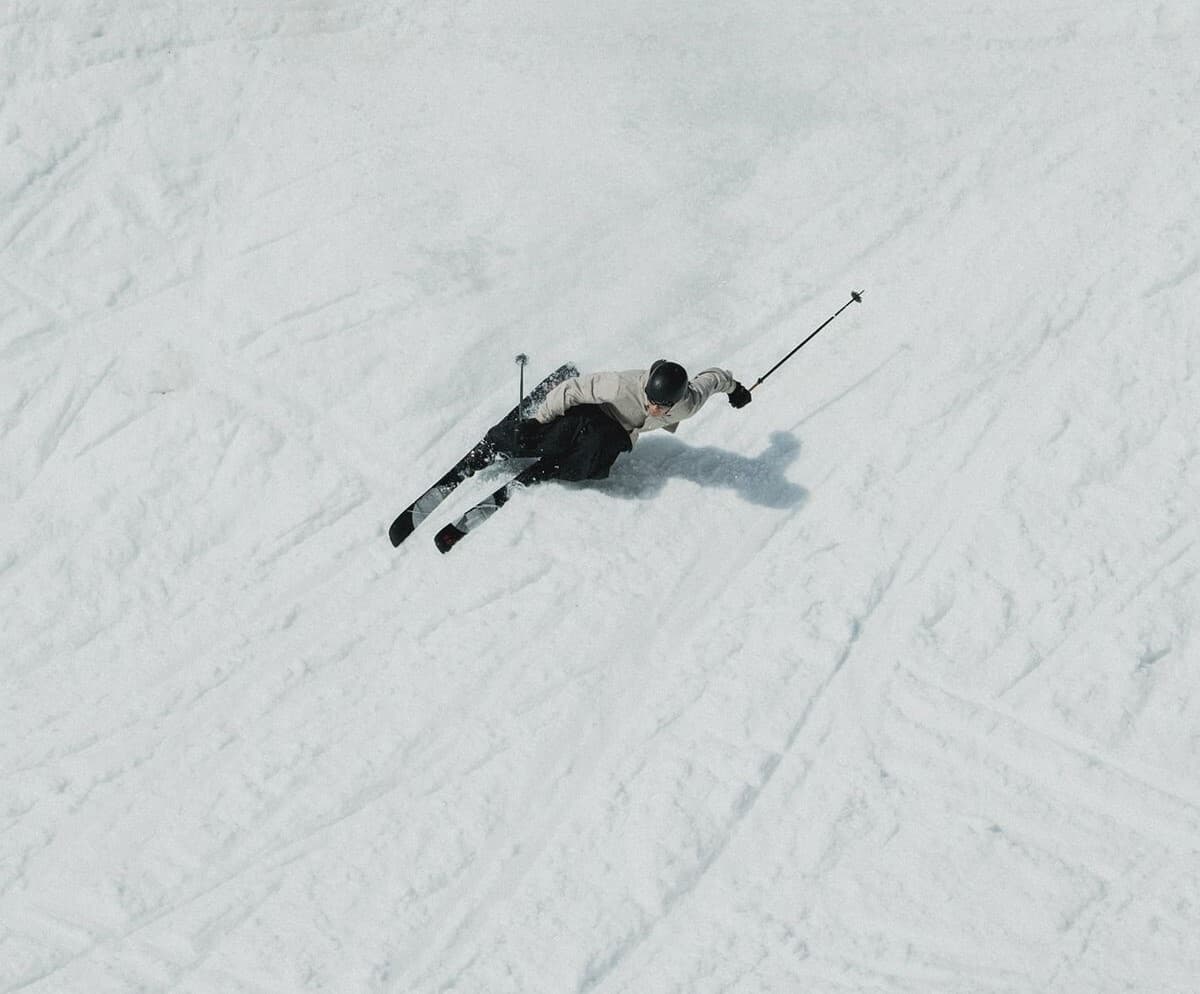
A sport psychologist in alpine skiing
Alpine skiing sits at the intersection of physics, technique and psychology. At 100+ km/h decisions are made in fractions of a second, and the cost of a mistake can be very high. Here the mind becomes not merely an important factor — it comes first.
Why does alpine skiing need a psychologist?
1. Fear of speed and of injury
Fear in alpine skiing is not an enemy but a protective mechanism. But when it becomes excessive, muscles tighten, movement loses its fluidity, and the risk of a mistake only rises. A psychologist helps you find the balance between healthy caution and fear that blocks you.
2. Coming back from a crash
Crashes in this sport are unavoidable. But after a serious one an athlete often returns to the course a different skier — the body remembers the injury, the brain fears a repeat. Without working through that fear, getting back to your former level is all but impossible.
3. Decision-making at speed
On the course there is no time to think. Decisions are made at a subconscious level built up through thousands of repetitions. But when your head is full of chaos or stray thoughts, the system fails. A psychologist teaches you to clear your head before the start and to trust your body.
4. A long season and a lot of waiting
The alpine season is short but very intense. And athletes spend most of their time waiting — for the start, for the weather, for their run. Being able to hold your tone and your concentration through the downtime is a skill in itself.
What a psychologist works on with an alpine skier:
- Managing fear of speed and risk
- Pre-start rituals
- Concentration on long courses
- Coming back after crashes and injuries
- Working with the body tightening up under pressure
- The psychology of recovery
Who needs support most:
- Young athletes moving up to harder courses
- Skiers who have had serious crashes
- Athletes whose technique has gone because of fear
- Parents of young alpine skiers
Working on the mental side of alpine skiing?
Our specialists are waiting for you on the platform.
At Sports Talk we offer vetted specialists you can talk to before booking a session, whose profiles you can read, so you can choose the one you are ready to start proper work with, online or in person.