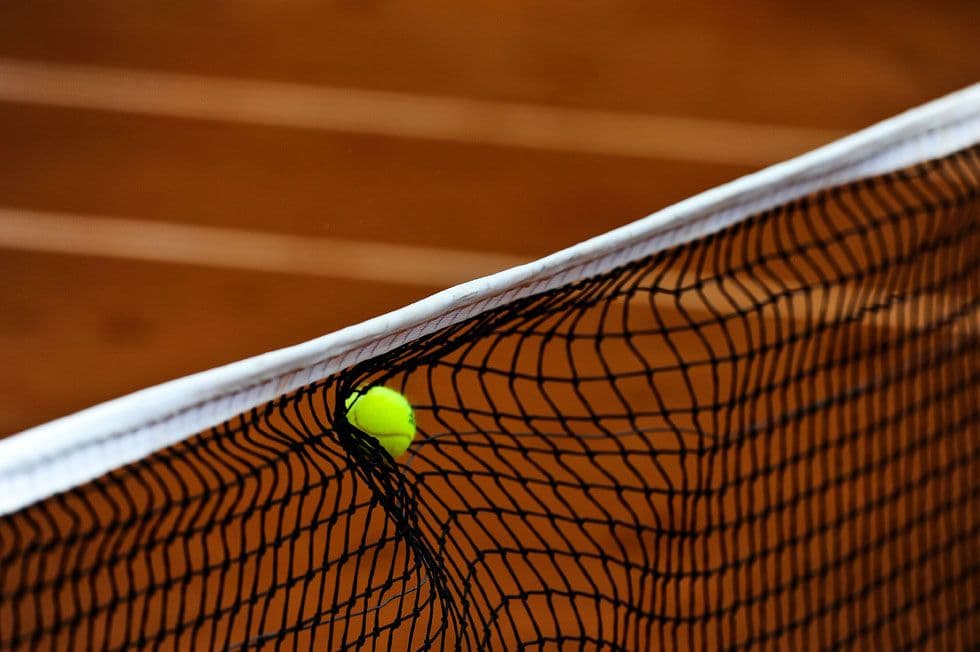
A sport psychologist in tennis
Tennis is one of the most psychologically demanding sports there is. There are no substitutions, no time-outs to catch your breath, and no way to share the responsibility with a partner. A tennis player walks onto the court alone, and their main opponent is often not on the other side of the net but inside their own head.
Why does tennis need a sport psychologist?
1. Being alone on court
In team sports you can exchange a look with a teammate, or get support from the coach at the break. In tennis you are left alone with your own thoughts, fears and doubts. A psychologist helps you build an inner dialogue that works for you rather than against you.
2. The psychology of the serve
The serve is the most psychological shot in tennis. It is the only moment when the player is fully in control of the situation, and it is where breakdowns happen most often. Double faults on the big points are the consequence of mental rather than technical problems. Working with rituals, breathing and where you put your attention helps steady the serve under stress.
3. A long tournament calendar
The tennis season lasts 11 months. Constant flights, changes of surface, time zones and opponents demand enormous mental resources. A psychologist helps you build a recovery system and keep your motivation through the whole year.
4. Working with mistakes
In tennis, errors are an inherent part of the game. But for many players every error is a blow to their self-worth. The psychologist's task is to teach an athlete to treat mistakes as feedback rather than as a catastrophe.
What a psychologist works on with a tennis player:
- Concentration in long rallies
- Managing stress on the big points
- Rituals between games
- Working with bad patches during a match
- The psychology of recovery after injury
- Preparing for a specific opponent
Who needs support most:
- Young players who are only just entering senior tournaments
- Players facing a long run of defeats
- Athletes whose serve has fallen apart
- Parents of young players (how to support without pressuring)
Ready to work on the mental side of your game?Our specialists are waiting for you on the platform.
At Sports Talk we offer vetted specialists you can talk to before booking a session, whose profiles you can read, so you can choose the one you are ready to start proper work with, online or in person.