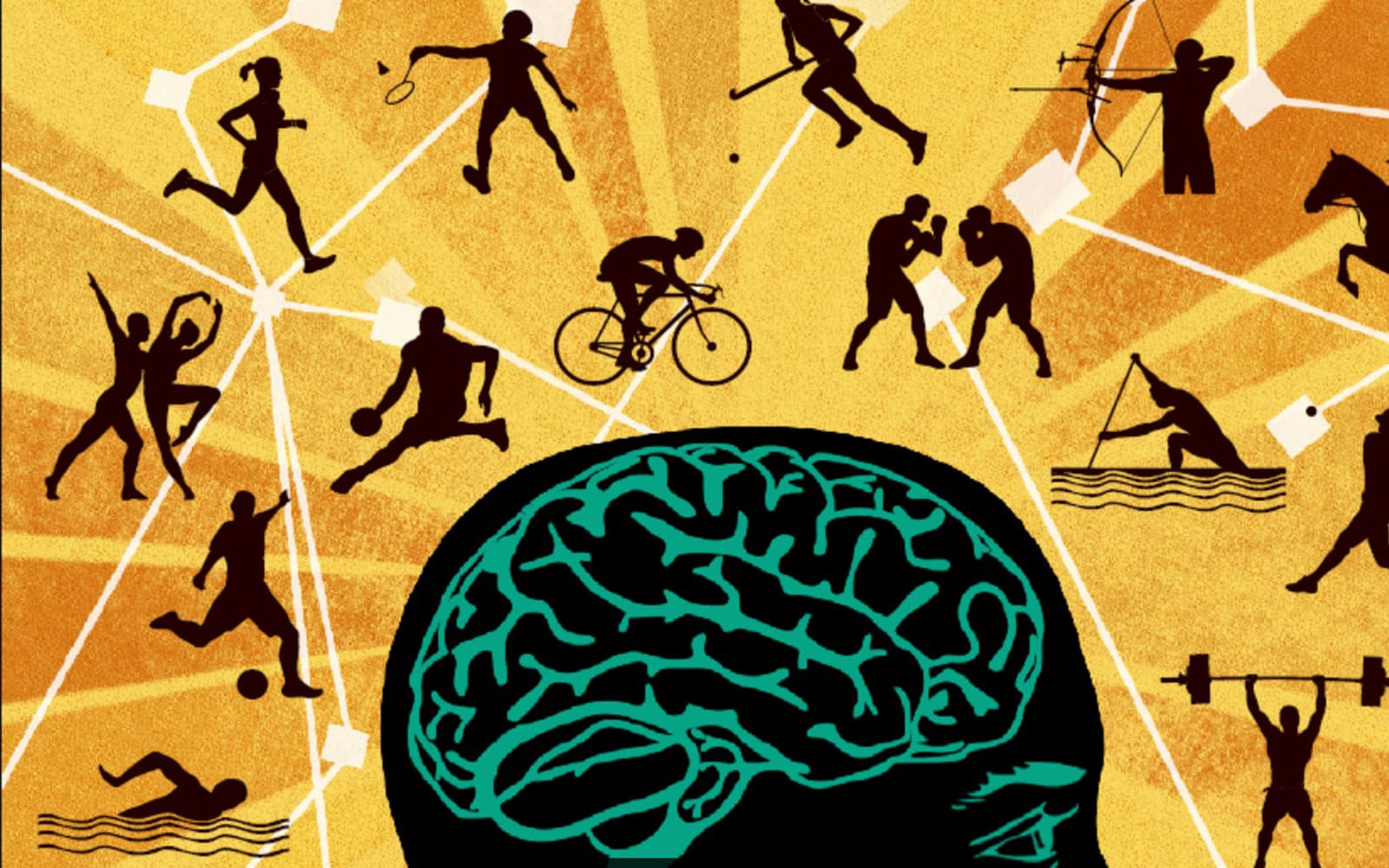
A sport psychologist's work is wide-ranging, but two main directions can be picked out:
- Educational (teaching athletes and coaches psychological methods and techniques to improve performance, or educating coaches in psychological knowledge).
- Consultative (aimed primarily at helping athletes deal with personal problems).
WHO IS THE SPORT PSYCHOLOGIST'S CLIENT?
At the very start of the work, the sport psychologist and/or the organisation providing psychological preparation services must establish who the client of that work is.
Most often the answer is obvious, but in some situations it gives rise to ethical problems.
S. Biddle describes a case in which a sport psychologist was brought into a team to improve its results. After several sessions the psychologist was told he was too soft with the players — what was expected of him was to toughen them up so that they could take criticism from the management more easily.
The psychologist tried to explain that criticism is not the best method for improving results, and he was removed from the team.
Even leaving the obvious ethical conflict aside, the sport psychologist's client is whoever initiates the request and whoever pays for the work. Payment is not only therapeutic within the client-psychologist pair; it often also determines who the psychologist answers to.
So a sport psychologist's clients can be:
- The athlete themselves.
- The athlete's parent.
- The athlete's coach (if the coach books a session for themselves, that is clear enough; if they initiate or commission it for the athlete to solve their own problems, the coach is the client).
- A sports organisation.
Defining the goals involves not only selecting the appropriate material and the means of delivering it, but also a stage of building closeness with the athletes and the team.
There is a widely held view that in order to obtain reliable information about an athlete or a team, and to be able to change how they work effectively, a sport psychologist must be a full member of the coaching staff rather than a short-term visitor. The athletes' trust is earned only over time.
THE NEXT STAGES OF WORK WITH A SPORT PSYCHOLOGIST:
Studying the problem.
Once it is clear who the client is, the sport psychologist begins studying the problems they will have to solve.
For this they use a variety of methods: observation, interviews, questionnaires, biofeedback methods and others. The data obtained can help not only the psychologist understand the athlete but the athlete understand themselves.
Developing a programme.
Once the specifics of the problem have been identified (a shortfall in motivation, difficulties with concentration and so on), the sport psychologist develops a programme aimed at addressing those difficulties.
The programme must always set out:
- the goals to be achieved through the work with the athlete,
- the indicators showing that they have been achieved.
As the programme is delivered, the sport psychologist can evaluate the results of their own work and make the appropriate adjustments to its later stages.
*Working in tandem with the coach.
With the athlete's permission for the coach to be present, the psychologist can organise the process as effectively as possible. In that case the three participants — athlete, coach and psychologist — should do the following together:
- make sure that the problem the athlete has identified matches the coach's understanding of it;
- determine the time, the place and the type of technique that will help the athlete;
- make sure that, tactically and technically, the psychological preparation will not get in the way of more important aspects of the athlete's preparation.
These examples show that a sport psychologist has to work in constant contact with the coach, the team doctor and other specialists, whose combined efforts make it possible to see any difficulty in the athlete's condition as objectively as possible.
THE SPORT PSYCHOLOGIST'S MAIN TASKS:
Assessment.
- Evaluating the athlete's goals, their plans for a competition, changes to those plans, monitoring their progress and their learning of self-regulation skills, and optimising the coach-athlete relationship.
Consultation.
- Individual sessions to identify the athlete's strengths and weaknesses, group sessions to build team cohesion and to learn coping strategies for stress and anxiety.
Teaching techniques.
- Learning specific self-regulation techniques: relaxation, concentration, repetition, communication skills, the use of imagery and self-talk.
See the techniques in our materials
Monitoring.
- Regular monitoring of the athlete's state before and after competition, evaluation and debriefing with the athlete, working through the consequences of injury.
Watch webinars from our psychologists
EXAMPLES FROM DIFFERENT SPORTS:
An important feature of a sport psychologist's work is that every sport imposes its own requirements on the recommendations they develop.
Sports differ in:
- whether they involve anaerobic or aerobic loads (a sprint versus a marathon);
- what level of technical precision is needed to master the activity (shooting compared with powerlifting);
- the duration of the effort and the time that passes between the moments of energy expenditure (golf compared with cross-country skiing), and so on.
For example:
- With anaerobic loads, the athlete needs to develop an internal focus of attention and the ability to tolerate high tension.
- With aerobic loads, the tension is lower, but the ability to switch focus quickly is essential.
Cross-country skiing:
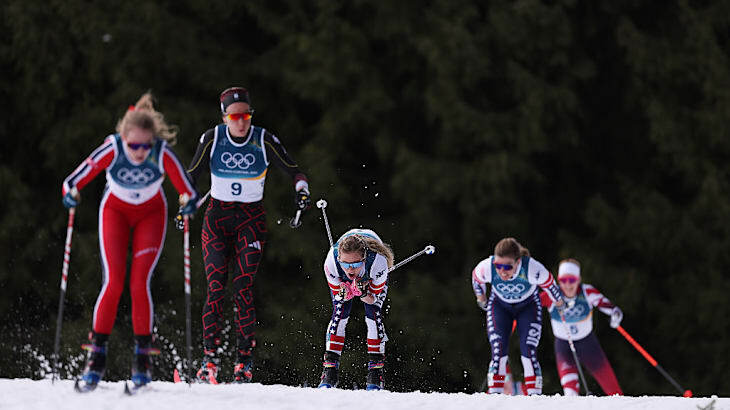
In cross-country skiing it matters to sustain effort over a long time and to reach an adequate level of arousal.
This is achieved through:
- breathing exercises,
- listening to suitable music,
- self-talk,
- the use of imagery.
In this sport the first seconds of the start matter, and you can see two main approaches to beginning a race: some skiers arrive at the start early (15-25 minutes beforehand) and immerse themselves in the atmosphere of the race, while others come a few minutes before, so that the race simply begins.
Tennis:
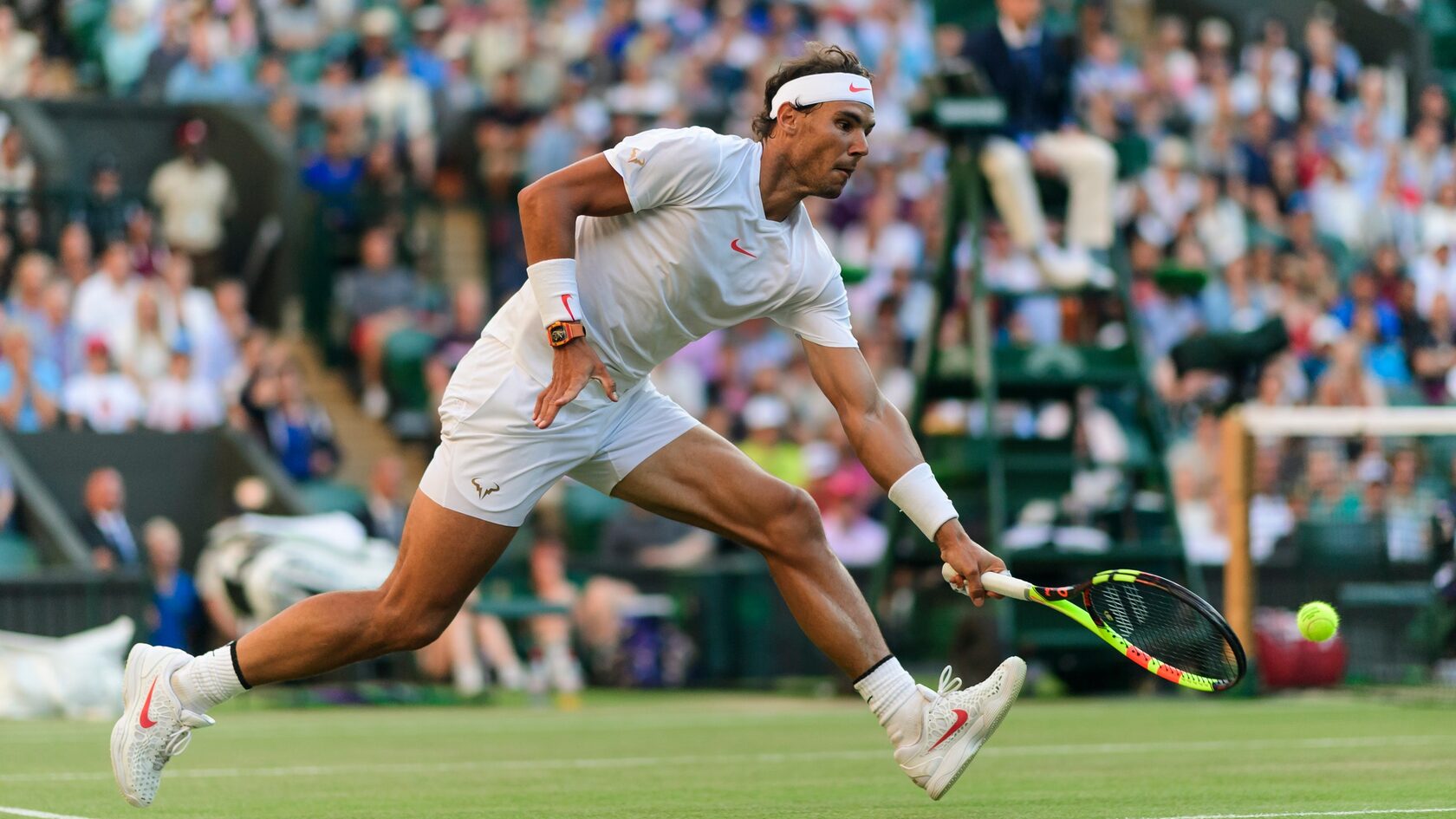
It matters just as much that the psychologist builds contact with the athlete person to person, rather than as psychologist-as-function. Often, even where there are staff psychologists, that turns out to be impossible.
At Sports Talk we offer vetted specialists you can talk to before booking a session, whose profiles you can read, so you can choose the one you are ready to start proper work with, online or in person.